Derek Friesen, the owner of an agricultural equipment manufacturing company in Manitoba, has been mostly unaffected by the Canada-U.S. trade conflict, except for some products that previously faced 10 per cent duties. However, with the recent announcement of retaliatory Canadian tariffs on $27.6 billion worth of U.S. goods, his business, PhiBer Manufacturing Inc., is now facing the impact.
The company produces agriculture equipment, including dash trailers crucial for large-scale farmers. These trailers have frames imported from Iowa, which will now be subjected to new retaliatory tariffs starting on Sept. 8. Friesen expressed concerns that this tariff increase on key components would lead to a significant rise in the final product’s cost, making it challenging for farms to absorb.
He anticipates that the increased costs may render these trailers, representing a substantial portion of his sales, economically unviable in the near future. While some business owners are hopeful that the new countermeasures could potentially boost domestic sales, others fear the repercussions of higher costs resulting from the retaliatory tariffs.
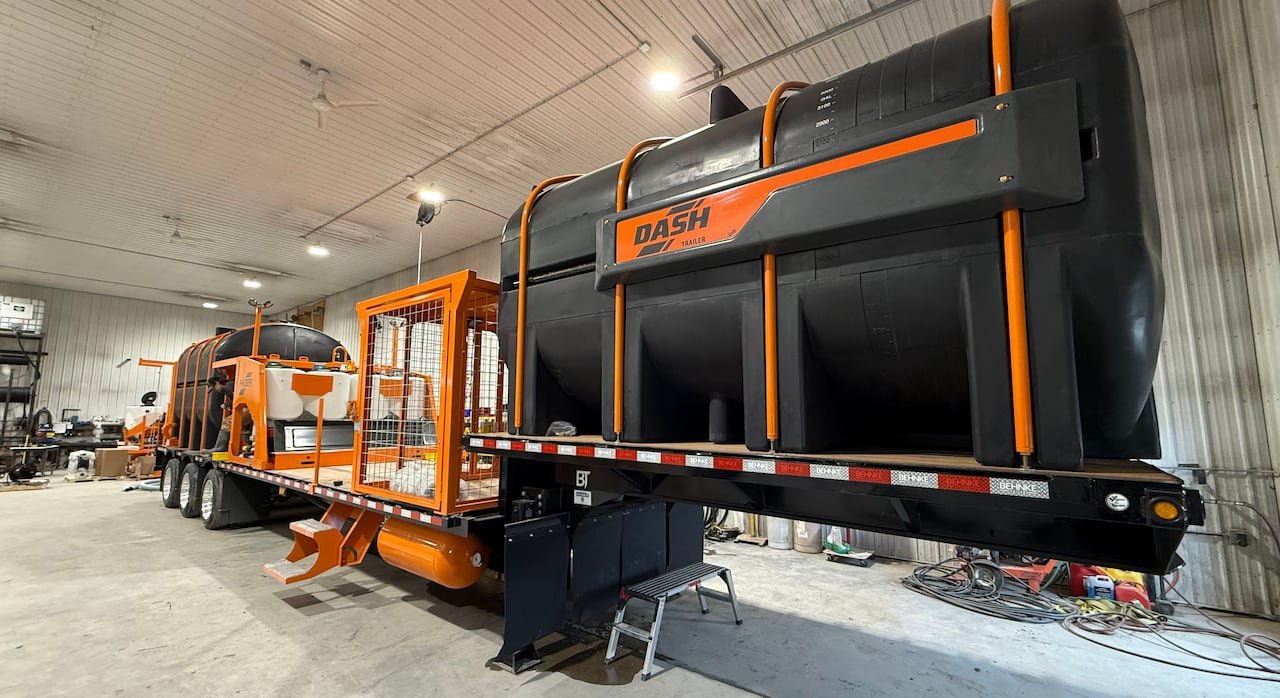
Canada’s newly imposed tariffs on various U.S. products, ranging from seafood to machinery, are set to take effect on Sept. 8. Bradley Saunders, an economist at Capital Economics, noted that the targeted selection of goods for tariffs aims to impact American businesses while mitigating adverse effects on Canadian consumers and industries.
While some businesses like Danby Appliances may benefit slightly from the tariffs by gaining a competitive edge in the domestic market, others, including Friesen’s company, are concerned about the potential negative impacts on their operations.

Simon Gaudreault, the chief economist at the Canadian Federation of Independent Business (CFIB), expressed concerns about the negative impact of retaliatory tariffs on Canadian businesses. The CFIB data indicates that the tariffs could pose a significant threat to Canadian businesses that rely on U.S. imports for production.