Initially, bones discovered in the Bluefish Caves and at a mining site in northern Yukon were believed to be from an ice-age puma or cougar. However, a DNA examination conducted by the University of California revealed a different story.
The analysis was carried out by Molly Cassatt-Johnstone, a former undergraduate lab technician who was new to working on samples. When the preliminary results didn’t match those of pumas, she was surprised and joked, “Oh, I’ve made a big mistake here.”
Yukon paleontologist Grant Zazula vividly recalls his astonishment upon receiving a message one evening stating, “Hey Grant, your cougars are not cougars — they are actually cheetahs.”
Zazula noted the significant progress in genetic analysis over the years, highlighting that examining ancient DNA was once considered almost like science fiction but has now become a common practice when studying permafrost-preserved bones from the Yukon.
Cassatt-Johnstone made history by identifying a Yukon Miracinonyx, also known as the extinct American cheetah. She is now the lead author of a paper published in Current Biology, offering new insights into the ice-age cat’s diet and habitat range.
‘A Fascinating Investigation’
Previously, researchers believed the American cheetah, resembling present-day cheetahs with their long limbs and slender physique, evolved to hunt pronghorns in grassy plains. Discovering them in the Arctic tundra left paleontologists puzzled.
“Originally, they were thought to be specialized predators of American pronghorn antelope in the lower 48 states,” said Cassatt-Johnstone. “However, there were no pronghorn in Beringia.”
Beringia, the region where Asia and North America were historically connected, comprises present-day Russia’s easternmost area, Alaska, and the Yukon.
How did Miracinonyx thrive there?
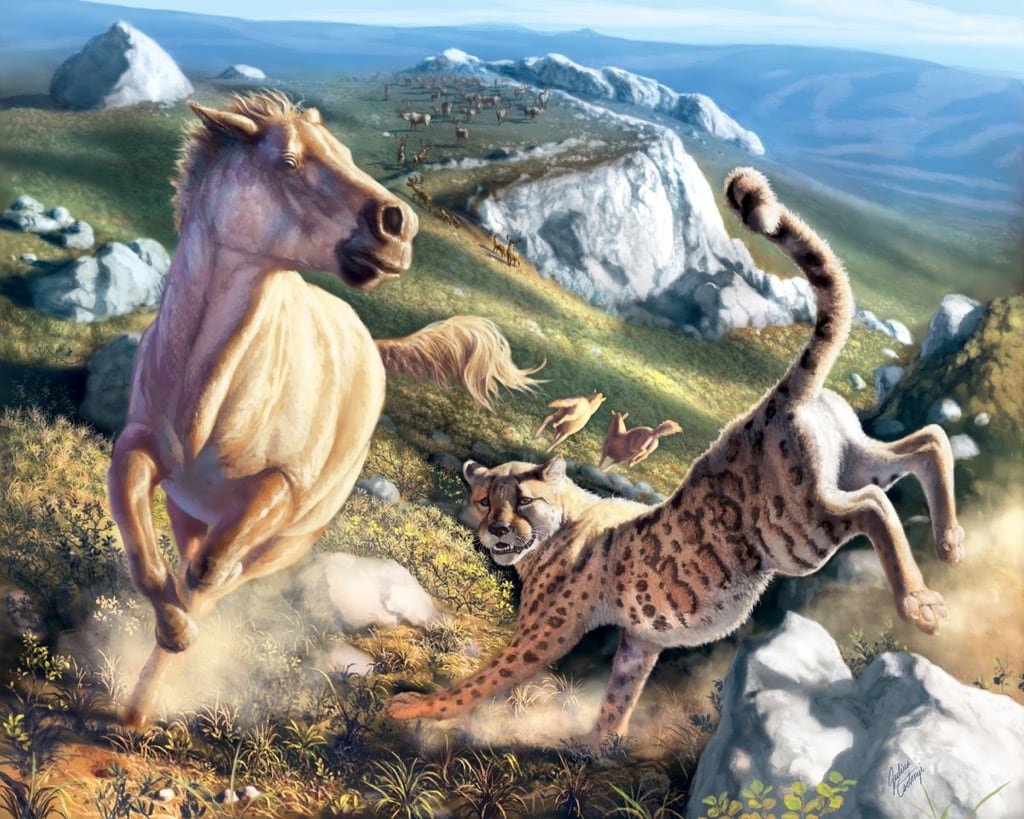
To answer this question, the study team, in collaboration with Canadian and U.S. researchers, utilized stable isotope analysis.
This technique, commonly used in forensics, examines chemical indicators to determine the diet and environmental conditions of ancient individuals or animals, including their potential movements and habitats.
Small bone fragments from the cheetah’s paw and leg underwent precise analysis using a method described by Matthew Wooller as capable of distinguishing between someone consuming plain carrots or carrot cake.
Wooller, the director of the Alaska Stable Isotope Facility at the University of Alaska Fairbanks, expressed his determination to solve the mystery upon reviewing initial findings.
“I was captivated,” he said. “The data was unlike anything I had seen before, highly unusual from an isotope perspective.”
It was revealed that Yukon cheetahs predominantly fed on fish, a behavior uncommon among both historical and modern felines, reflecting the unique ecological context.
“Understanding this is like piecing together a complex puzzle with missing parts,” said Wooller. “It’s a captivating investigative journey.”
Salmon-Loving Yukon Cheetahs
This discovery was groundbreaking for paleontologists like Julie Meachen, an expert in Late Pleistocene mammalian carnivores who has extensively studied this species in Wyoming.
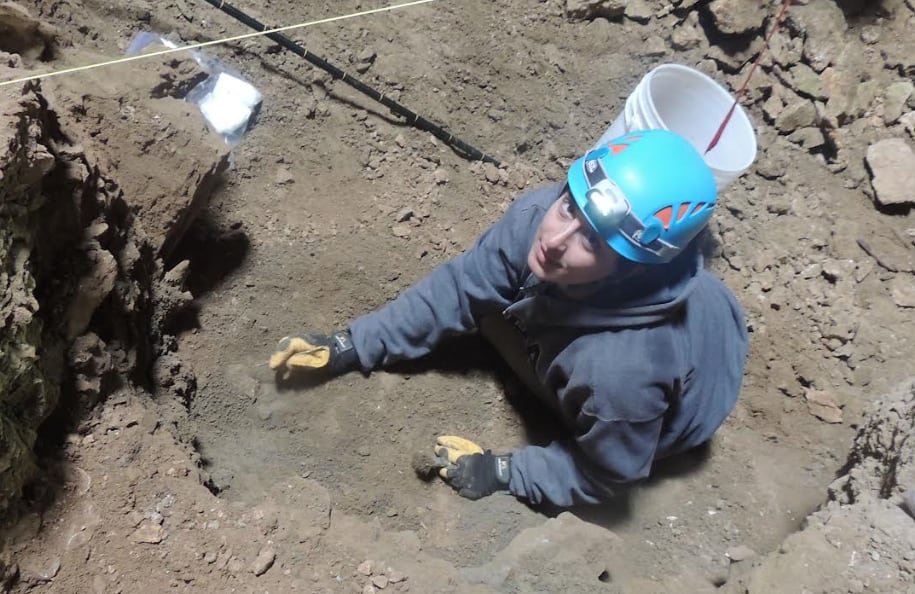
“The behavior of this animal in the Yukon differs significantly from its behavior in midcontinental North America, particularly Wyoming, suggesting it behaved like an entirely distinct species,” she remarked.
<