CONTENT WARNING: This article discusses incidents of violence towards children and suicide attempts.
The testimonies wrapped up on Wednesday in the trial of Lindsay Clancy, a mother facing charges for strangling her three young children, shedding light on postpartum mental health issues.
Closing statements are scheduled for Thursday before the jury enters deliberation.
Lindsay Clancy, aged 36, has entered a plea of not guilty by reason of lack of criminal responsibility, citing postpartum psychosis as a contributing factor to the deaths of her five-year-old Cora, three-year-old Dawson, and eight-month-old Callan Clancy at their residence in coastal Duxbury, Massachusetts, in January 2023.
This uncommon mental condition is associated with the pressures, sleep deprivation, and hormonal shifts following childbirth.
Insights from FBI Forensic Psychiatrist
The prosecution alleges that Clancy premeditated the murders and was aware of the gravity of her actions.
Clancy did not take the stand during the proceedings, now in its fifth week. The defense presented 10 witnesses, including acquaintances and family members of Clancy, while the prosecution called over 70 witnesses, including her ex-husband.
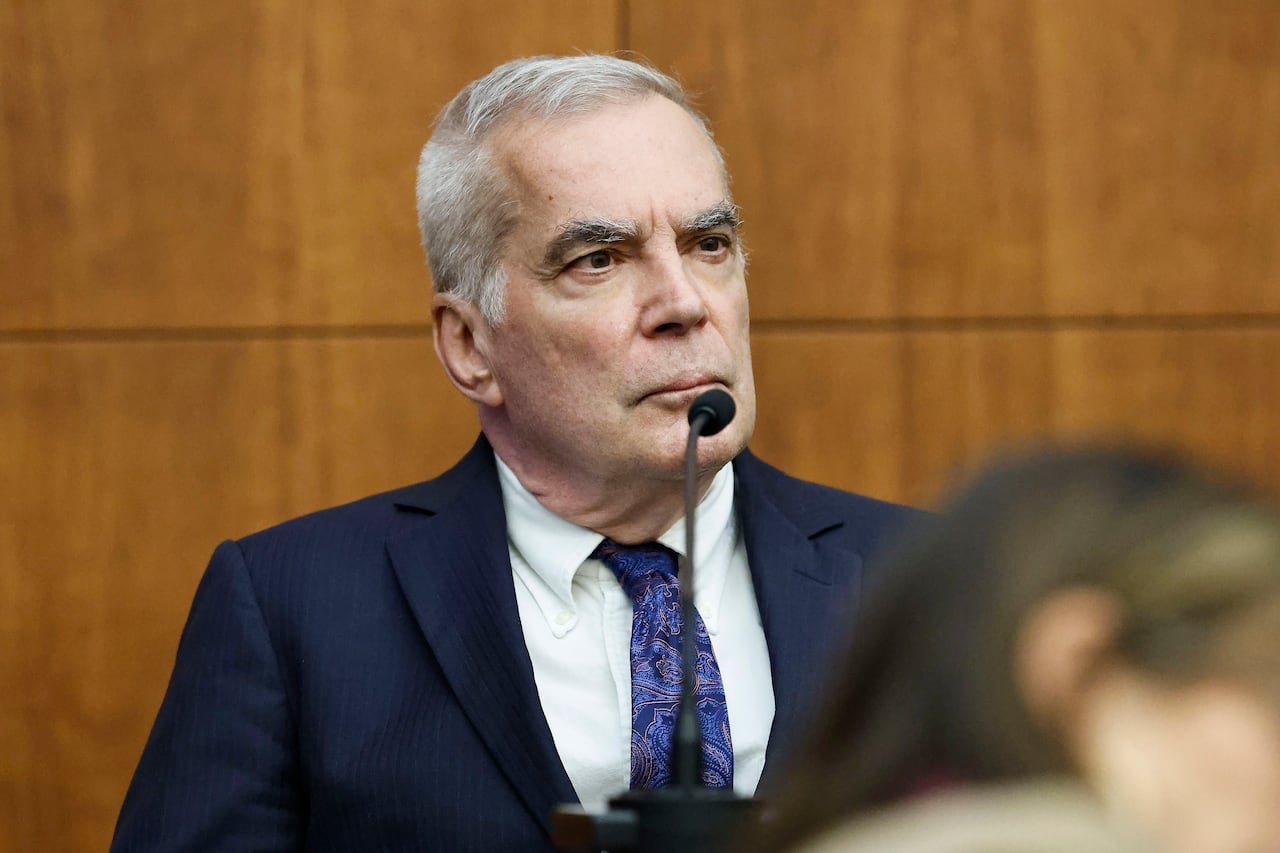
As the final rebuttal witness for the prosecution, a forensic psychiatrist from the University of Virginia and a senior psychiatrist for the FBI’s Behavioral Analysis Unit testified on Wednesday, expressing skepticism towards Clancy’s claim that a voice instructed her to harm her children.
Prosecutor Jennifer Sprague probed Dr. Gregory Saathoff with questions regarding Clancy’s account: Did the voice dictate the location, method, tools, or sequence of the killings? Saathoff responded negatively to each query.
“Executing these decisions without explicit instructions is surprising, indicating her ability to carry out these acts independently,” he remarked.
All three children were asphyxiated with exercise bands in the family’s basement before Clancy attempted suicide while her husband was away fetching takeout and at a pharmacy on January 24, 2023. Saathoff emphasized that Clancy’s ability to carry out these actions independently suggested she “maintained control over the sequence of events.”
“In the limited time frame that Miss Clancy had in the house without her husband, she needed to act swiftly, methodically, and decisively to carry out the killings and her suicide,” he elaborated.
The day before, Saathoff had raised concerns about Clancy reporting that the voice ceased once the children were dead, its continuous nature rather than intermittent, and her failure to mention hearing voices to healthcare providers previously. Moreover, Clancy provided inconsistent timelines to different evaluators regarding when she first heard the voice that day.
“Ceasing the act does not typically silence the voice,” Saathoff asserted. “I have not encountered such a scenario before.”