
A positive development is observed as fish start returning to the streams near the former tar ponds and coke ovens sites in Sydney, N.S. This resurgence is seen as a favorable outcome following the extensive cleanup of the steel and coal industries’ century-old remnants in Cape Breton.
The $400 million remediation project was carried out by the Sydney Tar Ponds Agency, which later merged into Nova Scotia Lands and now operates under Build Nova Scotia. The agency is responsible for overseeing the water quality in the streams flowing through the former industrial areas.
Donnie Burke, a senior director at the agency, mentioned that findings from an independent engineering firm indicate the success of the remediation efforts. “Everything we have observed so far shows either stable or improving trends, which is highly encouraging,” he stated during a recent inspection.
The coke ovens site was covered with slag rock residue from the former steel plant, while the infamous tar ponds, adjacent to the coke ovens and once labeled as Canada’s most hazardous waste location, were sealed with concrete.
Additionally, Coke Ovens Brook, Wash Brook, and Muggah Creek underwent cleanup procedures, and the surrounding areas were landscaped to channel surface water into the streams. Groundwater from the coke ovens area is directed to a treatment facility before being reintroduced into the streams.
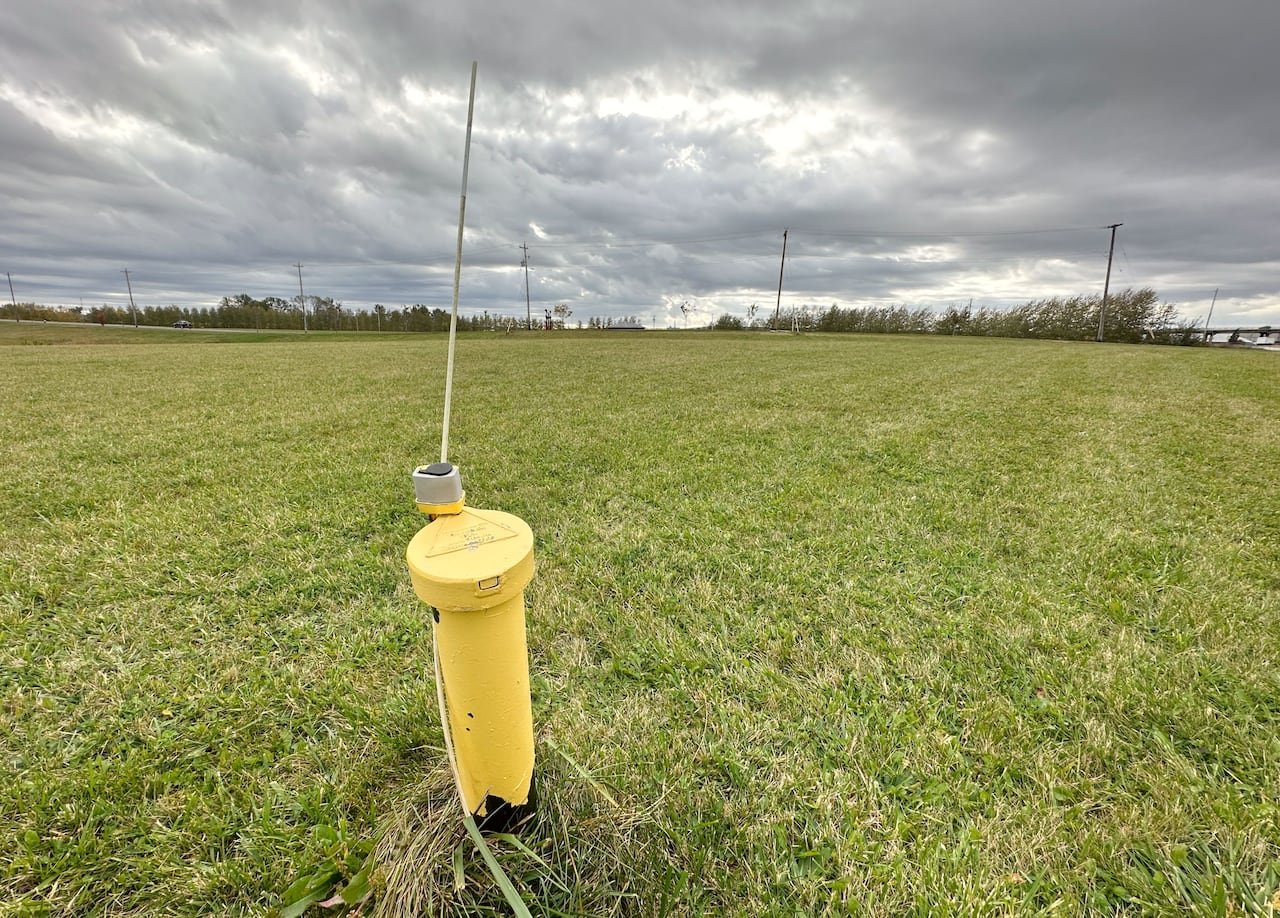
One of several well heads is seen on the former coke ovens site, providing access to test for industrial toxins in groundwater. (Tom Ayers/CBC)
Following the cleanup, both sites were covered with topsoil and grass.
The former tar ponds area is now transformed into Open Hearth Park, featuring sports fields, a playground, walking paths, and open spaces. The coke ovens site has been repurposed as an open field for activities like cricket, walking, and winter snowmobiling.
Water assessments confirm that the tar ponds cap is effectively containing toxins, while occasional spikes in heavy metals or industrial chemicals from the former coke ovens site, mainly after heavy rainfall, are promptly detected and managed through water treatment adjustments, as explained by Burke.

The Build Nova Scotia office in Sydney is located in Harbourside Industrial Park on reclaimed land situated between the former coke ovens and tar ponds sites. (Tom Ayers/CBC)
Burke noted, “We observe various anomalies, but overall, since the cover was installed, the situation has remained stable or improved.”
Continuous water testing is conducted in the streams and beneath the former coke ovens cap through wells strategically positioned across the areas.
A recent study conducted at Cape Breton University found that a small fish species has reappeared in the streams, with provincial staff also spotting trout eggs and fry in Coke Ovens Brook, as reported by Burke.
Expressing surprise at the fish’s return, Burke stated, “Who would have anticipated trout residing here 20 years ago?”




