Recent findings by scientists have shed light on the body temperature of dinosaurs, particularly the T. rex species, using innovative chemical analysis techniques. Aradhna Tripati, a geochemist at the University of California, Los Angeles, explained the methodology in a study published in the journal Science Advances. The approach involved examining specific hard tissues like tooth enamel and eggshells, which retain temperature-related chemical signatures.
Unlike living animals, extinct creatures like dinosaurs cannot have their temperature directly measured. Scientists utilized the concept of isotope clumping in bioapatite minerals found in tooth enamel and eggshells, where the bonding patterns indicate temperature variations. By comparing these patterns with those of modern animals, researchers estimated the body temperature of ancient species, including dinosaurs.
A previous study by UCLA scientists had already suggested that certain dinosaurs, like titanosaurs and oviraptors, were warm-blooded based on similar analyses of eggshells. In the case of the T. rex, which has thin tooth enamel making analysis challenging, researchers obtained samples from teeth of the megalodon shark to refine their technique before successfully analyzing T. rex teeth.
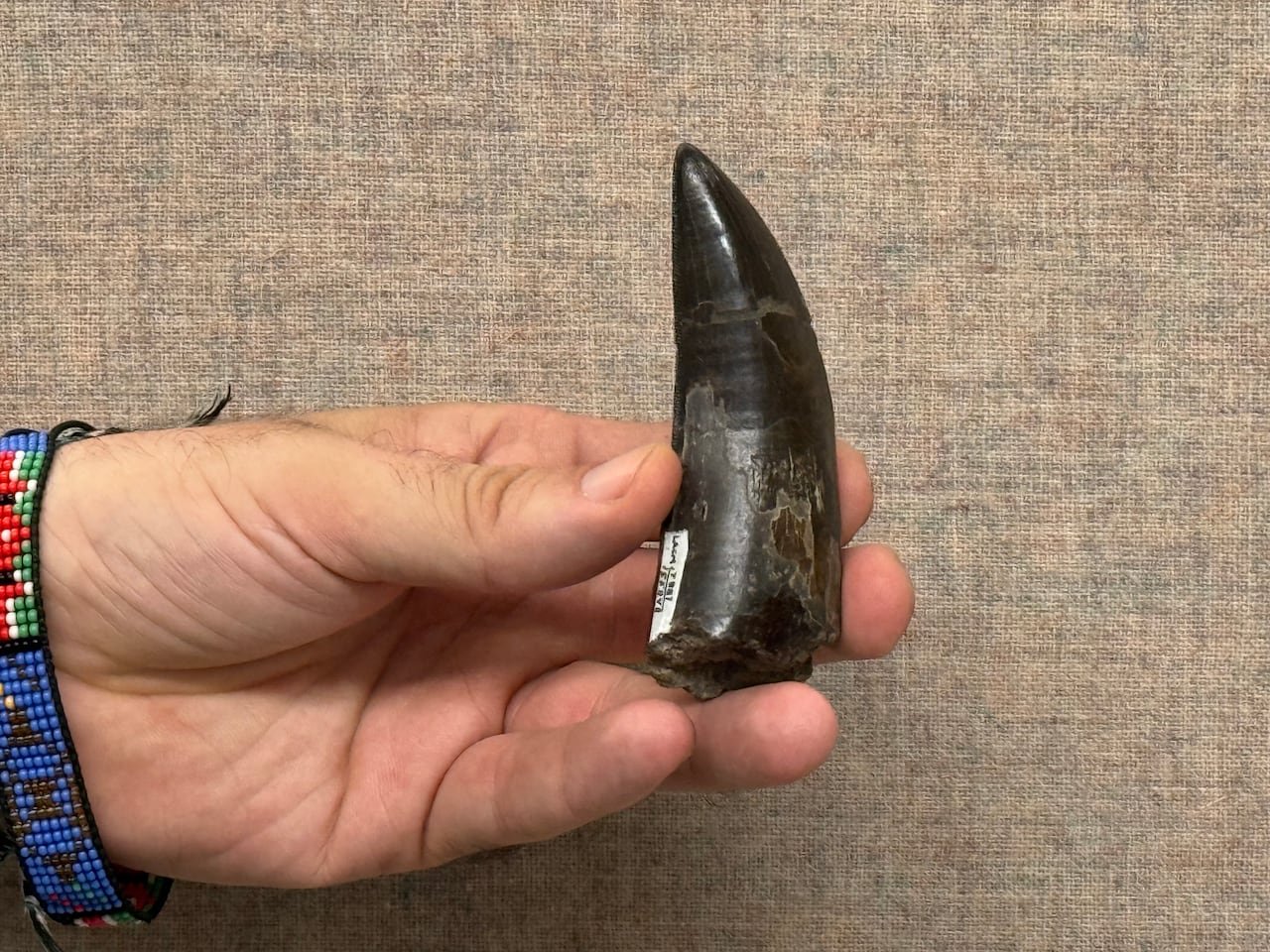
The analysis of teeth from a T. rex specimen known as Thomas revealed a body temperature range of 33.8°C to 38.8°C, akin to that of large mammals and flightless birds. These findings suggest that T. rex, with its warm-blooded nature, could have inhabited diverse environments, including colder regions like the Arctic.
Experts like paleontologist Anthony Fiorillo have expressed support for the study’s implications, emphasizing the potential behavioral and ecological adaptations of warm-blooded tyrannosaurs. François Therrien, a curator at the Royal Tyrrell Museum, highlighted how these revelations enhance our understanding of dinosaur physiology and evolution, offering new insights into their ancient habitats and behaviors.
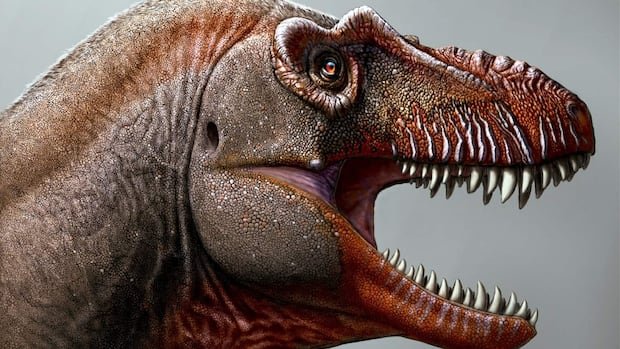
The species Thanatotheristes degrootorum terrorized southern Alberta 11 million years before T. rex.
The research signifies a significant step in understanding the physiological characteristics of extinct creatures, providing valuable insights into the evolutionary history and ecological adaptations of dinosaurs in various environments.