It has been 65 years since the Berlin Wall abruptly divided a city and a nation. On August 13, 1961, over 10,000 police and military personnel initiated the construction of the wall, which sliced through Berlin, separating East and West Germany, dividing streets, neighborhoods, families, and ideologies. The Berlin Wall stood for 28 years before its eventual collapse, claiming the lives of at least 140 individuals, including escapees, bystanders, and border guards.
Hartmut Richter, who was stuck in East Germany with his family on that fateful Sunday morning, expressed disbelief at the wall’s enduring presence. In 1966, Richter managed to flee to West Berlin by swimming across a frigid river and later aided 33 others in escaping East Germany concealed in his car trunk.
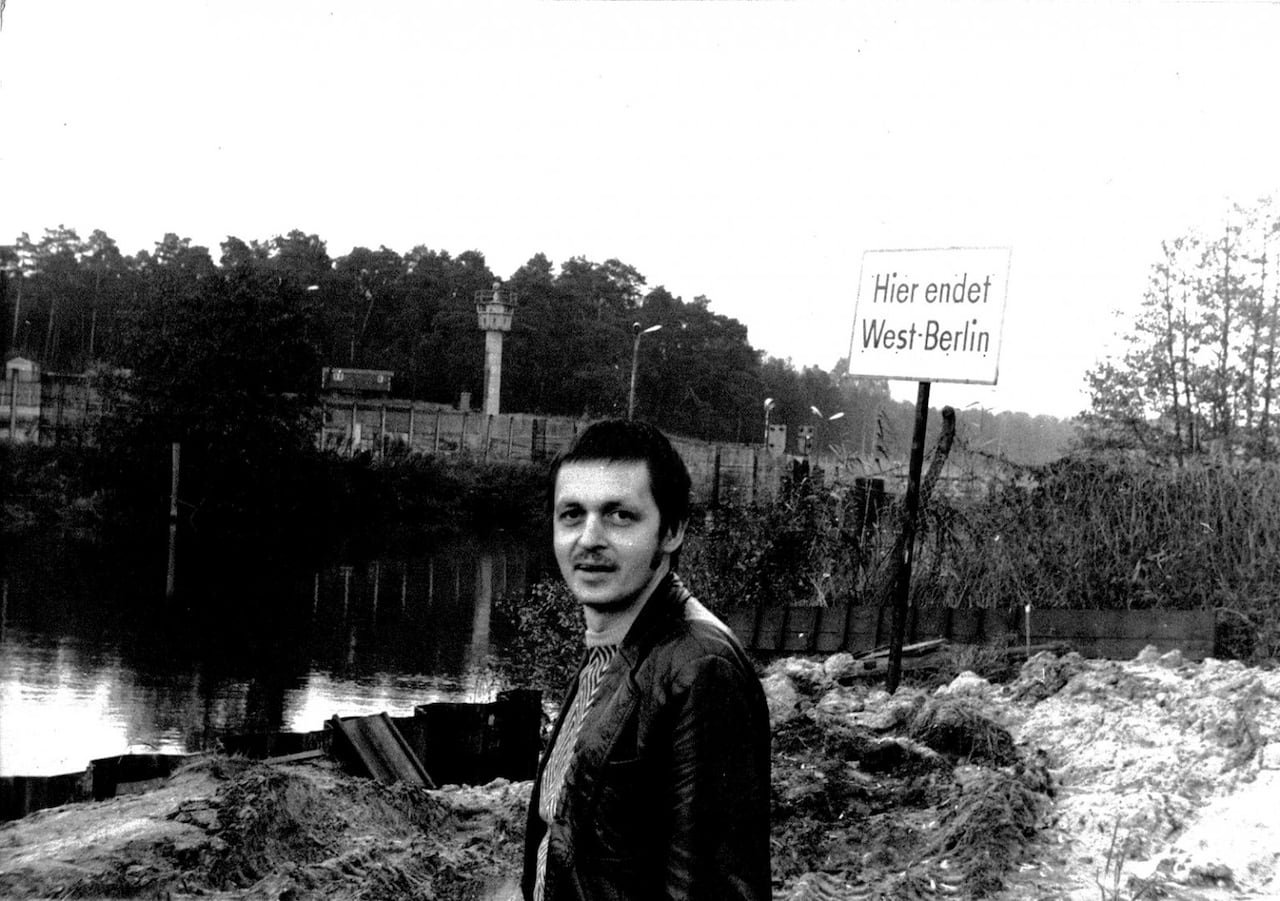
Today, Richter views his struggle for freedom not just as a memory but as a cautionary tale, expressing concerns about the current state of freedom. The looming test for freedom comes in the upcoming state elections, where the far-right Alternative for Germany (AfD) party is positioned for a significant breakthrough.
Analysts point out that the AfD has effectively exploited long-standing tensions between East and West Germany, positioning itself as the defender of East German identity while advocating for extreme policies that challenge Germany’s post-war democratic principles.
Various studies, including one by economic research institute DIW Berlin, associate the AfD’s rise with economic disparities, demographic shifts, and collective grievances in the eastern regions of the country.
Justus Bender, a political analyst specializing in the AfD, remarked on the irony of a party causing division in a nation striving for reunification. The AfD’s surge in popularity, especially in eastern Germany, raises concerns about the party’s far-right, xenophobic, and anti-constitutional tendencies.
Polls indicate that the AfD stands to win the majority in the September 6 state election in Saxony-Anhalt, potentially establishing the first far-right party dominance since World War II. Former German ambassador to Canada, Sabine Sparwasser, expressed deep unease about the AfD’s appeal and extremist ideologies.
The AfD’s political agenda includes nationalist social policies, anti-immigration stances, and defiance of certain EU regulations. The party’s manifesto also targets non-traditional lifestyles and advocates for a patriotic cultural policy that restricts funding for projects deemed not nationalistic enough.
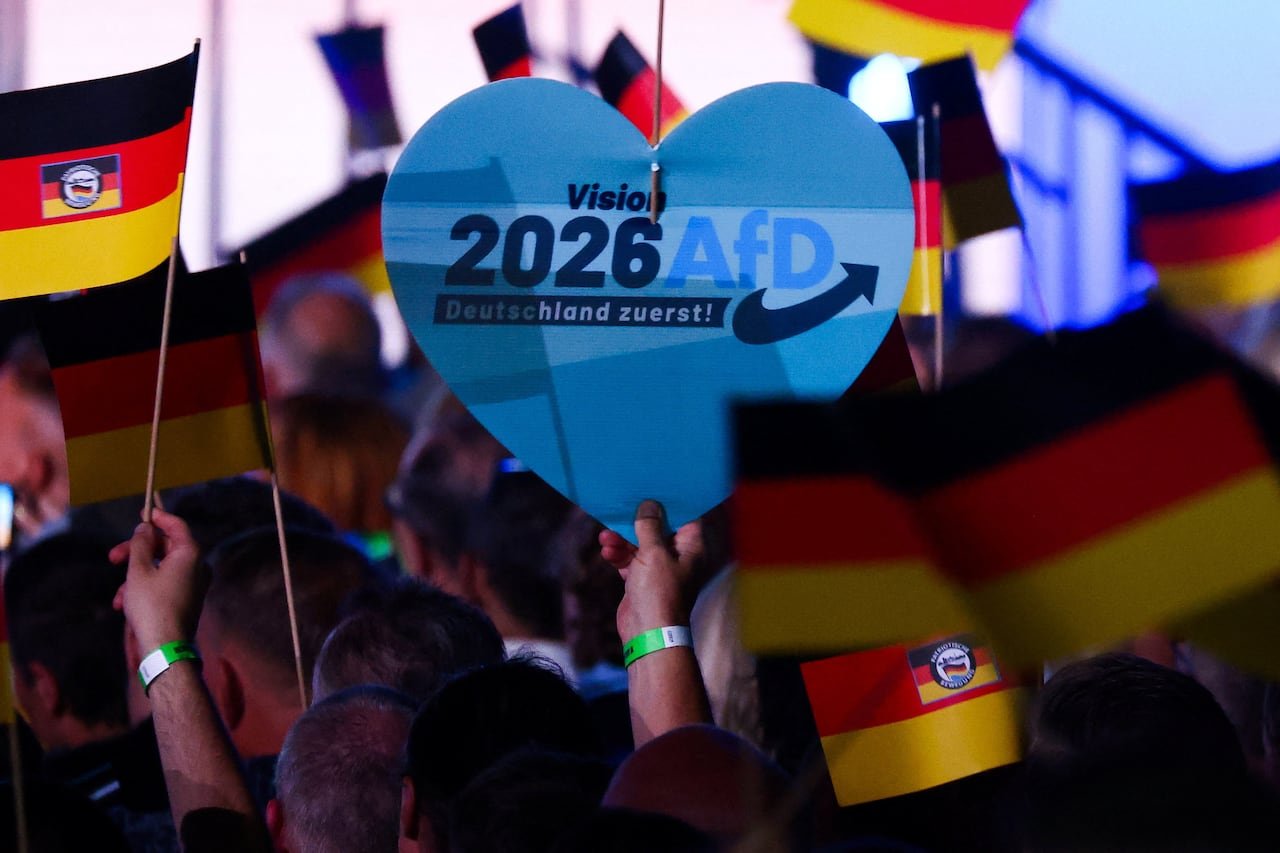
The AfD’s proposals include mass deportations of non-German individuals and a push for cultural policies aligned with nationalistic ideals, including cuts to certain Holocaust remembrance initiatives.
Highlighting the party’s extremist rhetoric, Björn Höcke, AfD’s leader in Thuringia, criticized the Memorial to the Murdered Jews of Europe in Berlin, drawing parallels to Nazi sentiments. Höcke’s history of using banned Nazi slogans led to legal repercussions.
A potential AfD victory in Saxony-Anhalt could significantly impact not only regional politics but also Germany’s federal landscape, as the party would gain influence in the Bundesrat, affecting national policies on various fronts.
Divisions Driving Political Influence
Despite the fall of the Berlin Wall in 1989, the disparities between East and West