For Melanie Kahmahkotayo, visiting a physician previously involved arranging transportation off her First Nation, taking time away from work and family, and enduring long waits before being seen.
These obstacles resulted in her going almost twenty years without a family doctor.
Currently, a new collaboration between the Battle River Treaty 6 Health Centre and the Saskatchewan Health Authority is introducing a doctor to health clinics across three First Nations communities—Little Pine, Poundmaker, and Sweetgrass—making access to care more convenient.
“I’m grateful that my health is improving because it wasn’t when I lacked a doctor,” said Kahmahkotayo, a resident of Little Pine First Nation, situated about 53 kilometers northwest of North Battleford.
“I have diabetes, so it’s crucial for me to manage my health, and I feel better today.”
Rather than traveling off reserve, she can now consult with a physician at a clinic within her own community. She had an appointment with her family doctor two weeks ago to discuss her current medications.
Fostering Trust
Dr. Cora Mirasty, an Indigenous physician who speaks and comprehends some Cree, believes that cultural understanding can enhance trust between her and her patients.
“I think that matters to them,” she remarked. “I understand their humor, the way they express themselves, and their body language.”
As the new doctor for the Battle River Treaty 6 Health Centre, Mirasty expressed her frustration with temporary solutions and witnessing First Nations individuals wait excessively long for prescriptions of unnecessary opioids for pain management.
“Since I became a physician last year, my focus has been on providing care that is meaningful and productive for First Nations communities.”
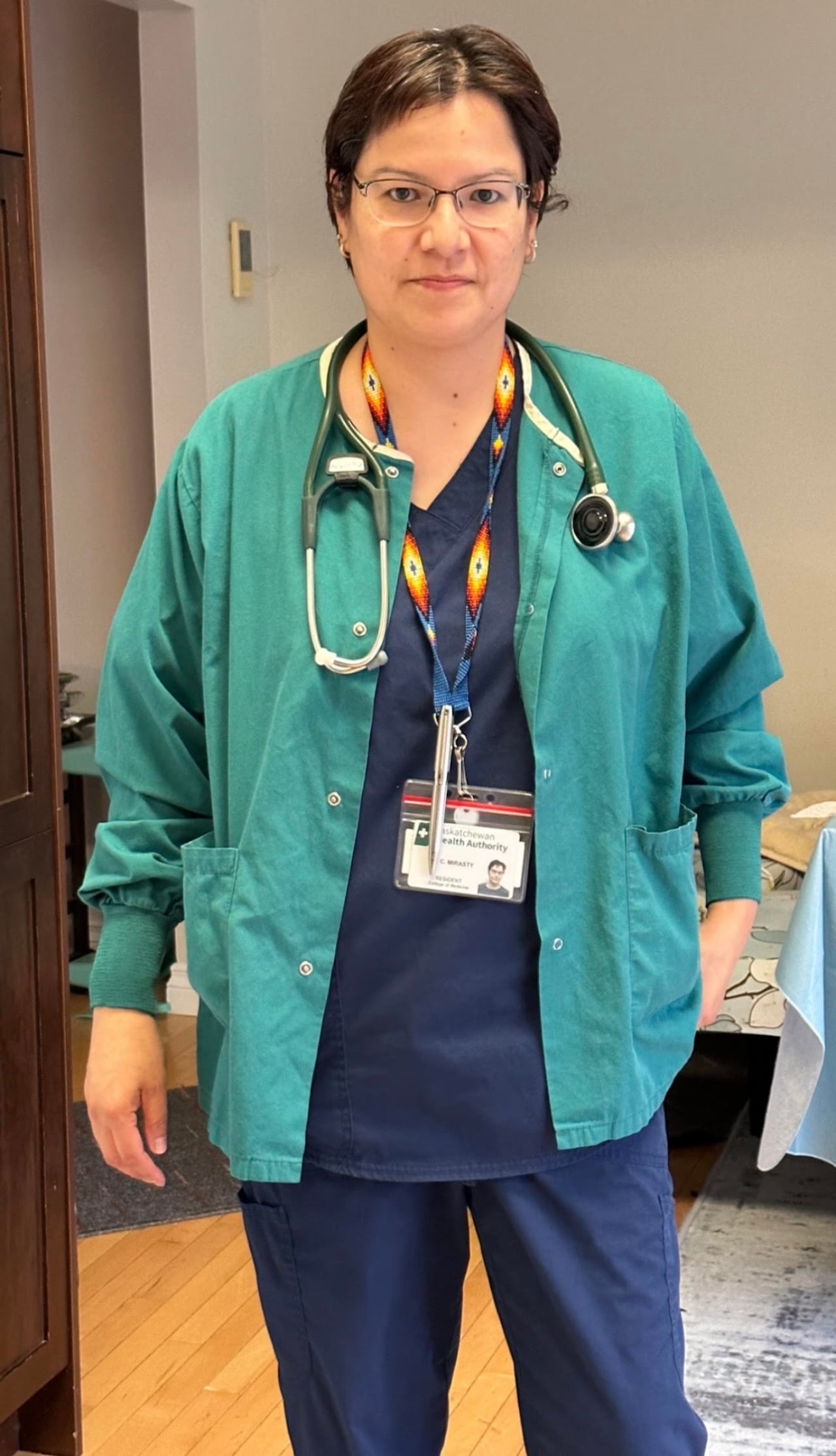
Dr. Cora Mirasty is the new physician for the Battle River Treaty 6 Health Centre. (Submitted by Dr. Cora Mirasty)
Mirasty noted that having representation can make patients more at ease when discussing their health concerns.
“It fosters a strong patient-doctor relationship when they can speak freely without feeling judged, and are open and honest with me,” she added.
Patients Share Healthcare Difficulties
Lucy Whitecalf faced challenges finding a new physician after her family doctor retired. She mentioned that even visiting a walk-in clinic posed difficulties. When she experienced health issues, walk-in clinics often advised her to return in a couple of weeks.
“I might be gone in two weeks,” Whitecalf joked.
Upon hearing about the arrival of a doctor at Sweetgrass First Nation, she felt a surge of excitement.
“My first question was, ‘can I have you as my family doctor?’”
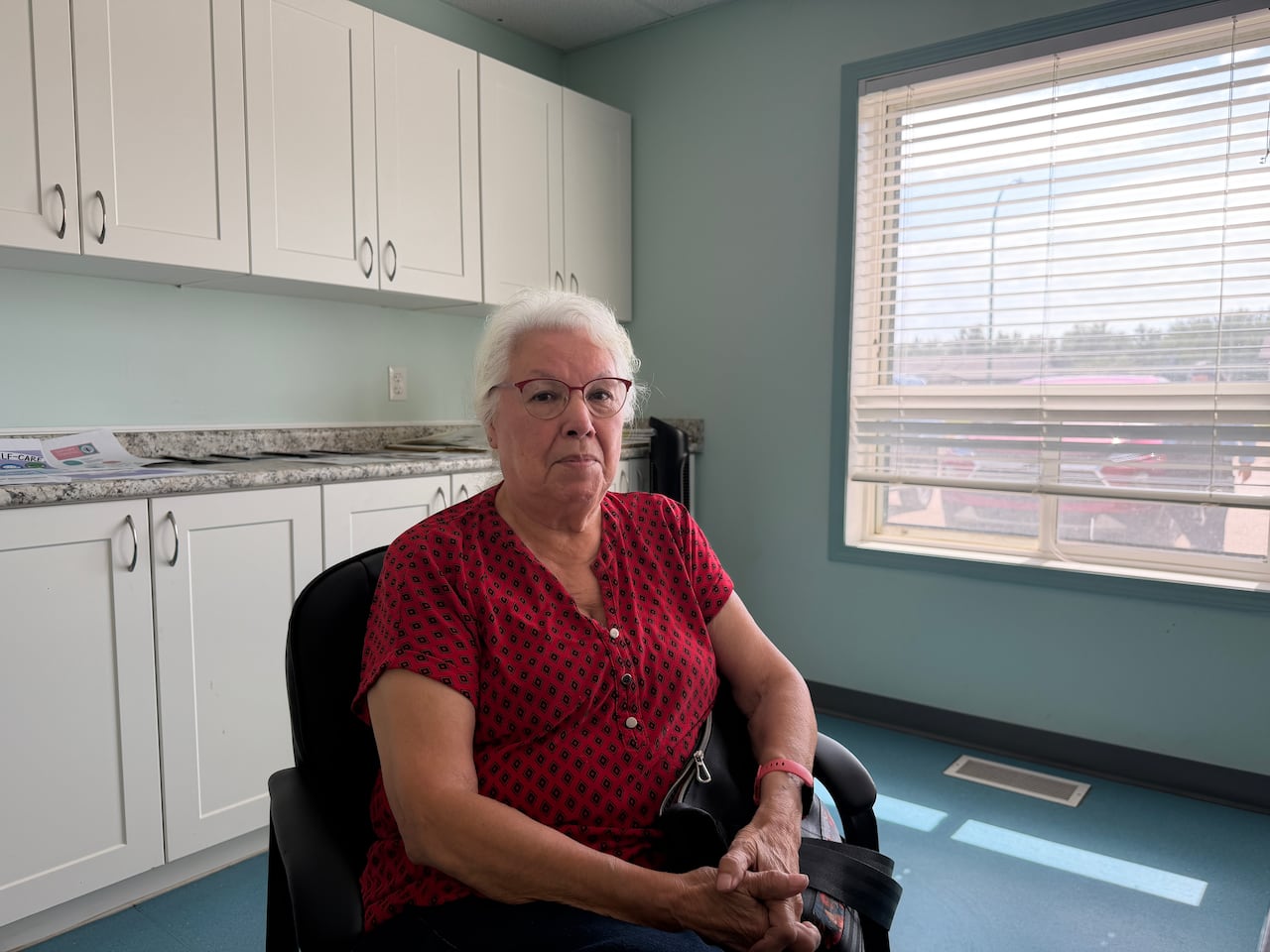
Lucy Whitecalf of Sweetgrass First Nation is one of Dr. Mirasty’s first patients. (Jordon Weenie/CBC)
For some Indigenous patients, accessing a doctor is just one aspect of the broader challenge. Once within the healthcare system, they may encounter racism.
Brooke Cameron from Poundmaker First Nation grew up in hospitals, accompanying her grandfather to appointments. She witnessed the racism faced by Indigenous individuals firsthand.
Cameron mentioned that healthcare workers often assume that Indigenous people are seeking opioids to satisfy addictions.
“We are decent people, and like everyone else, we fall ill and suffer injuries, deserving equal treatment rather than being perceived as pursuing selfish ends,” she stated.
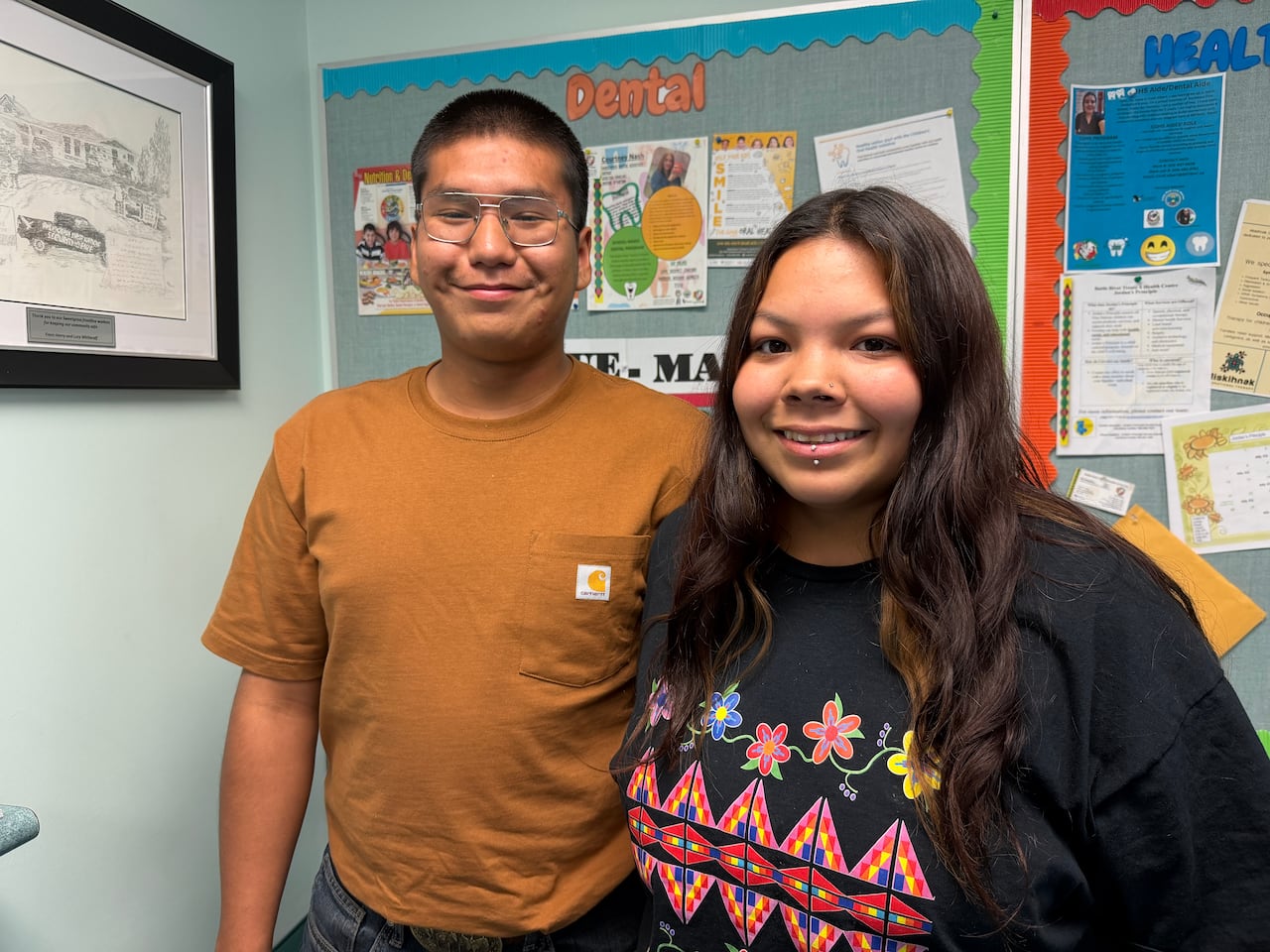
Brooke Cameron, right, of Poundmaker First Nation is a patient of Dr Mirasty. (Jordon Weenie/CBC)
Despite these challenges, Cameron maintains a hopeful outlook on the healthcare system. She believes that having Mirasty provide care in her community presents an opportunity for a different experience. During a recent visit with her mother, she felt that Mirasty was genuinely listening to uncover the underlying issues.
“I felt truly acknowledged and understood,” Cameron expressed. “With a doctor available in my community, I won’t have to confront those barriers anymore.”